Why is an online payment refused for no apparent reason?
Internet purchases undergo enhanced security controls. Your card works perfectly in shops but refuses to pay online. This frustrating situation often hides sophisticated protection mechanisms. Banks apply specific filters to digital transactions.
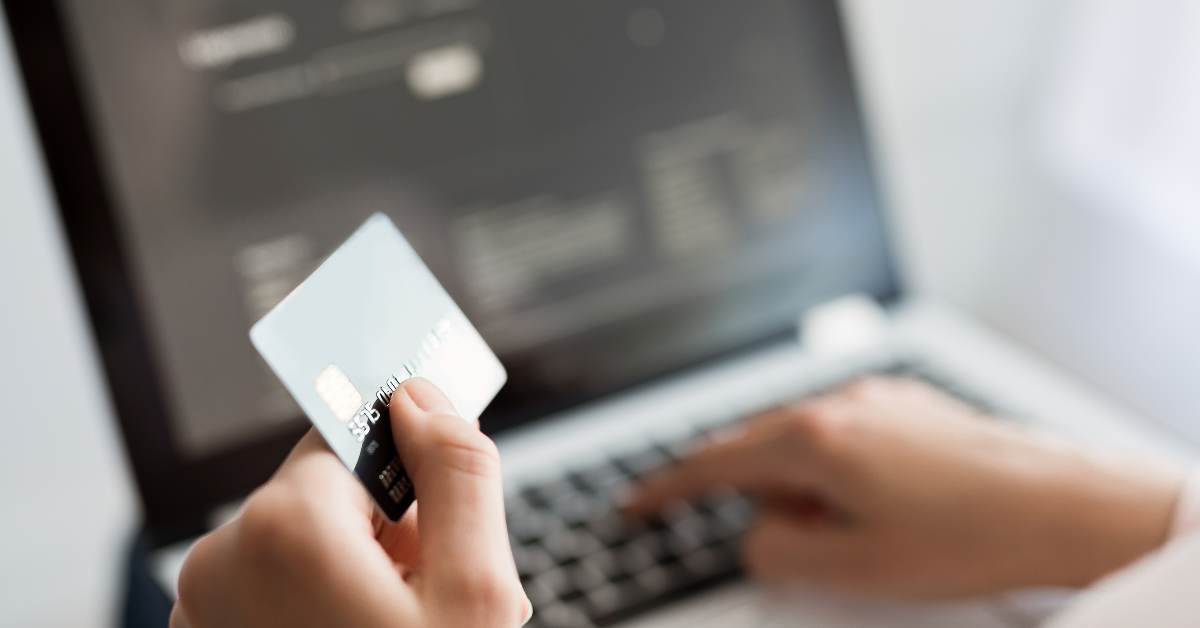
Internet limits differ from shop limits
Your card perhaps authorises €500 daily withdrawals but only €150 online purchases. These separate limits protect against computer hacking. Fraudsters favour internet purchases as they leave fewer physical traces. Your bank therefore naturally limits this exposure.
Some cards totally block internet payments by default. You must explicitly activate this function in your online banking space. This maximum security avoids any unwanted transactions. Activation takes effect within 24h according to establishments.
Monthly limits accumulate all your online purchases. You bought €300 worth on one site Monday, €200 on another Wednesday. Your monthly limit of €600 is reached. All websites will refuse your card until next month even for €10.
Server geolocation poses problems
Sites host their payment servers in different countries. Your purchase on a French site sometimes transits through Ireland or Netherlands. The bank detects a "foreign" transaction and automatically blocks it. This protection targets fraudulent international purchases.
Certain activity sectors undergo particular surveillance. Online games, travel, downloads systematically trigger verifications. Statistics show more scams in these areas. Your first purchase will probably be refused as precaution.
Recent or poorly referenced sites arouse banking suspicions. A new e-commerce without history seems risky to security algorithms. Even with a €1000 balance, your €50 purchase can be blocked. The merchant's reputation directly influences authorisation.
Strong authentication complicates payments
Since September 2019, strong authentication is mandatory in Europe according to PSD2 directive. You must confirm your purchases by SMS, mobile notification or biometric recognition. This additional step causes many transactions to fail. Process interruption automatically cancels payment.
Your phone in airplane mode doesn't receive the confirmation SMS. The timeout expires after a few minutes. The merchant site displays "payment refused" when everything worked correctly. This technical constraint generates numerous failures.
Faulty banking applications sometimes block authentication. You must validate the purchase in your mobile app but it crashes at the wrong moment. The process interrupts and your card appears refused for no obvious reason. A simple app update often solves the problem.
Prepaid cards simplify online purchases
A prepaid card avoids most of these blocks. You load the exact amount of your purchase plus a few euros margin. No overspending possible, therefore limited risk for banking systems. Anti-fraud filters are less strict.
These cards work without strong authentication for small amounts. Purchases under €30 go through directly without additional validation step according to European regulation. Your purchase occurs instantly. This fluidity avoids frustrating technical interruptions.
You isolate your internet purchases from your main account. In case of merchant site hacking, only the prepaid card balance is exposed. Your savings and income remain perfectly protected. This compartmentalisation drastically limits potential damage.
Solutions to immediately unblock
Check your internet limits in your online banking space. Most banks allow temporary modification of them. You go from €200 to €500 with a few clicks. This increase generally takes effect within an hour. Remember to reset the old limit after your purchase.
Contact your bank by phone specifying the purchase to make. The advisor can punctually authorise a specific transaction. They note in your file the planned purchase on such site. This manual authorisation bypasses all automatic blocks. Validation remains active about 24h.
Use the "guest payment" function if the site offers it. Some merchants accept cards without creating a customer account. This method avoids storing your banking data. Security systems are less suspicious of these one-off transactions.
Preventing future refusals
Activate payment notifications by SMS or email. These instant alerts inform you of each transaction attempt. You immediately detect blocks and can act quickly. This reactivity avoids orders cancelled by timeout.
Always keep your banking app updated. Updates often fix authentication bugs. A phone restart sometimes resolves temporary malfunctions. These simple gestures avoid silly technical failures.
Favour recognised merchant sites for your first purchases. Large platforms benefit from established banking trust. Your payments will pass more easily. Once history is built, smaller sites will better accept your cards.
How to quickly block a suspicious payment?
What payment method when you're banking-barred?
Similar articles

How to send cash to a loved one in 2026?
What is the difference between a RIB and an IBAN in France?
Contact Us

Service & Support by
real humans, not bots
The information provided on this blog is presented for informational purposes only and has no contractual or legal value. Although we strive to ensure the accuracy, completeness and updating of the published content, it may contain errors, omissions or inaccuracies. Carte Veritas and the authors of the articles cannot be held responsible for decisions or actions taken based on the information contained in this blog. Any use of this information is made at your own risk and under your sole responsibility. We encourage you to consult a qualified professional or an expert for any important question or decision relating to the subjects discussed. In addition, the information presented on this site may be modified or updated without notice. By visiting this blog, you agree that Carte Veritas and its partners are released from any liability concerning losses, direct or indirect damages, or consequences arising from the use of the contents of this site, whether they are linked to errors, omissions or the interpretation of the information published.
 English
 Français
 Español
 Português
 Deutsch
 Nederlands
 Română
 Polski
 Italiano
 Suomi
Suomi
 Dansk
Dansk
 čeština
 Ελληνικά
 Svenska
 Nynorsk
 українська
 Pусский
 Latviešu
 Magyar
 Lietuvių