Why can a card payment be declined even when there's money available?
Your card contains €150 but the €30 payment is declined. This frustrating situation happens more often than you might think. Several security mechanisms can block your transactions even with sufficient balance. Banks apply automatic filters to protect their customers.
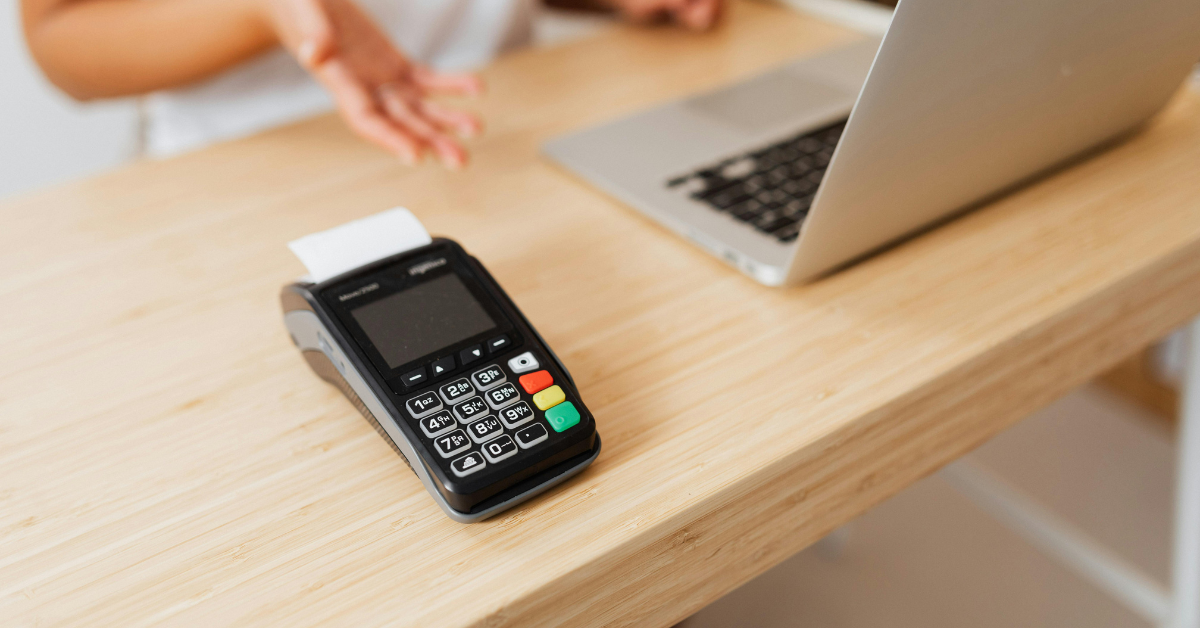
Exceeded limits automatically block transactions
Each card has payment and withdrawal limits. These limits are calculated per day, per week, or per month. You may have already reached your daily limit of €300 by paying for groceries. The evening restaurant then refuses your card even for €25.
Online payment limits often differ from in-store limits. Your card authorises €500 daily withdrawals but only €200 internet purchases. This additional security protects against online fraud. Check these limits in your online banking space.
Some cards apply cumulative weekly limits. You spend €400 on Monday, €300 on Wednesday, €200 on Friday. Your 7-day limit of €900 is reached. Saturday, all your payments will be declined until the following Monday.
Anti-fraud filters trigger by mistake
Automatic systems analyse your consumption habits. An unusual purchase triggers a security alert. You usually buy groceries for €80. A €800 payment at an appliance store seems suspicious and will be automatically blocked.
Purchases in certain sectors undergo enhanced surveillance. Petrol stations, motorway tolls, foreign online sales sites. These businesses concentrate more scams according to banking statistics. Your first transaction with them may be refused as a precaution.
Payments abroad systematically trigger verifications. Even on holiday with a €1000 balance, your first withdrawal may fail. The algorithm detects unusual geographical activity. You often need to call your bank to unblock the situation.
Technical problems create malfunctions
Banking networks sometimes suffer temporary outages. Card networks can experience slowdowns on certain days. These technical incidents refuse all payments for several hours. The problem comes neither from your card nor your balance.
Faulty payment terminals generate unexplained refusals. The merchant sees "transaction declined" without further detail. Your card works perfectly elsewhere but not on this specific terminal. The chip or magnetic strip may communicate poorly with the machine.
Banking security updates sometimes cause temporary bugs. Your bank installs new systems at the weekend. Monday morning, some cards malfunction for a few hours. These disruptions generally resolve within the day.
Prepaid cards avoid certain blocks
A prepaid card works differently from classic bank cards. You load a precise amount in advance. The limits correspond exactly to the available balance. No overdraft possible, therefore fewer risks of refusal for exceeding limits.
These cards undergo less strict anti-fraud controls. Banks consider the risk limited to the loaded amount. Your consumption habits don't influence authorisations. As long as the balance suffices, the transaction generally goes through.
International payments are made more easily with this system. No need to warn a bank before travelling. The card works automatically worldwide. Geographical detection algorithms are less restrictive.
Solutions to quickly unblock the situation
Contact your bank immediately by phone. Explain the situation: sufficient balance but payment refused. The advisor quickly identifies the cause of the block. They can unblock your card instantly if no fraud is detected.
Verify your limits in the mobile banking app. Most banks allow temporary modification of these limits. You can go from €300 to €500 daily limit with a few clicks. This modification takes effect immediately.
Always keep a backup payment method. A second card or cash effectively helps out. Technical failures rarely affect all networks simultaneously. This redundancy avoids embarrassing situations at checkout.
Preventing future refusals
Warn your bank before unusual large purchases. A €1200 appliance, €3000 works, holidays abroad. This preventive call avoids automatic blocking at payment time. Advisors note the authorisation in your file.
Regularly check your limits and balances. Banking apps display this information in real time. You anticipate overruns before they occur. This vigilance avoids refusals in emergency situations.
Diversify your payment methods according to your activities. One card for current expenses, another for online purchases. This separation limits cross-blocking. If one card malfunctions, the other remains available.
What payment method when you're banking-barred?
Can you pay with cash on the Internet?
Similar articles
What is the difference between a RIB and an IBAN in France?

Does a truly free bank card with no account really exist?
Contact Us

Service & Support by
real humans, not bots
The information provided on this blog is presented for informational purposes only and has no contractual or legal value. Although we strive to ensure the accuracy, completeness and updating of the published content, it may contain errors, omissions or inaccuracies. Carte Veritas and the authors of the articles cannot be held responsible for decisions or actions taken based on the information contained in this blog. Any use of this information is made at your own risk and under your sole responsibility. We encourage you to consult a qualified professional or an expert for any important question or decision relating to the subjects discussed. In addition, the information presented on this site may be modified or updated without notice. By visiting this blog, you agree that Carte Veritas and its partners are released from any liability concerning losses, direct or indirect damages, or consequences arising from the use of the contents of this site, whether they are linked to errors, omissions or the interpretation of the information published.
 English
 Français
 Español
 Português
 Deutsch
 Nederlands
 Română
 Polski
 Italiano
 Suomi
Suomi
 Dansk
Dansk
 čeština
 Ελληνικά
 Svenska
 Nynorsk
 українська
 Pусский
 Latviešu
 Magyar
 Lietuvių